Extracts objectives, physics, constraints, parameters, and missing information.
Technical details Supervised engineering AI
How the engineering AI Agent works.
TMG Agent connects project knowledge, domain rules, simulation tools, and engineering review in one traceable process. Specialized agents prepare and check the work; engineers retain control of assumptions, validation, and final decisions.
Agent architecture
One supervisor, specialized agents, controlled tools.
The orchestration layer maintains task state, evidence, validation gates, and handoffs. Domain agents call approved engineering tools through simulator adapters instead of hiding the work in one opaque response.
Project documentsTOUGH input filesSource code + build environmentDomain rules + examples
↓Orchestration layerSupervisor Agent
↓Task plan · evidence registry · validation gates · recovery decisions
Builds or converts the grid, maps materials and boundaries, and prepares fixed-format input.
Executes staged runs, monitors numerical behavior, and tests minimal corrections.
Post-processes results, produces reports, and manages supported compilation workflows.
Simulator adapters + engineering toolsTOUGH familyOther subsurface simulatorsMeshMaker / TOUGHIOCompilers / HPCPlotting / reports
Human-in-the-loop control: source files remain authoritative, assumptions are recorded, generated inputs are reviewable, failed attempts are retained, and simulator availability remains subject to licensing and completed integration.
Pre-processing + mesh
From project intent to a simulation-ready model.
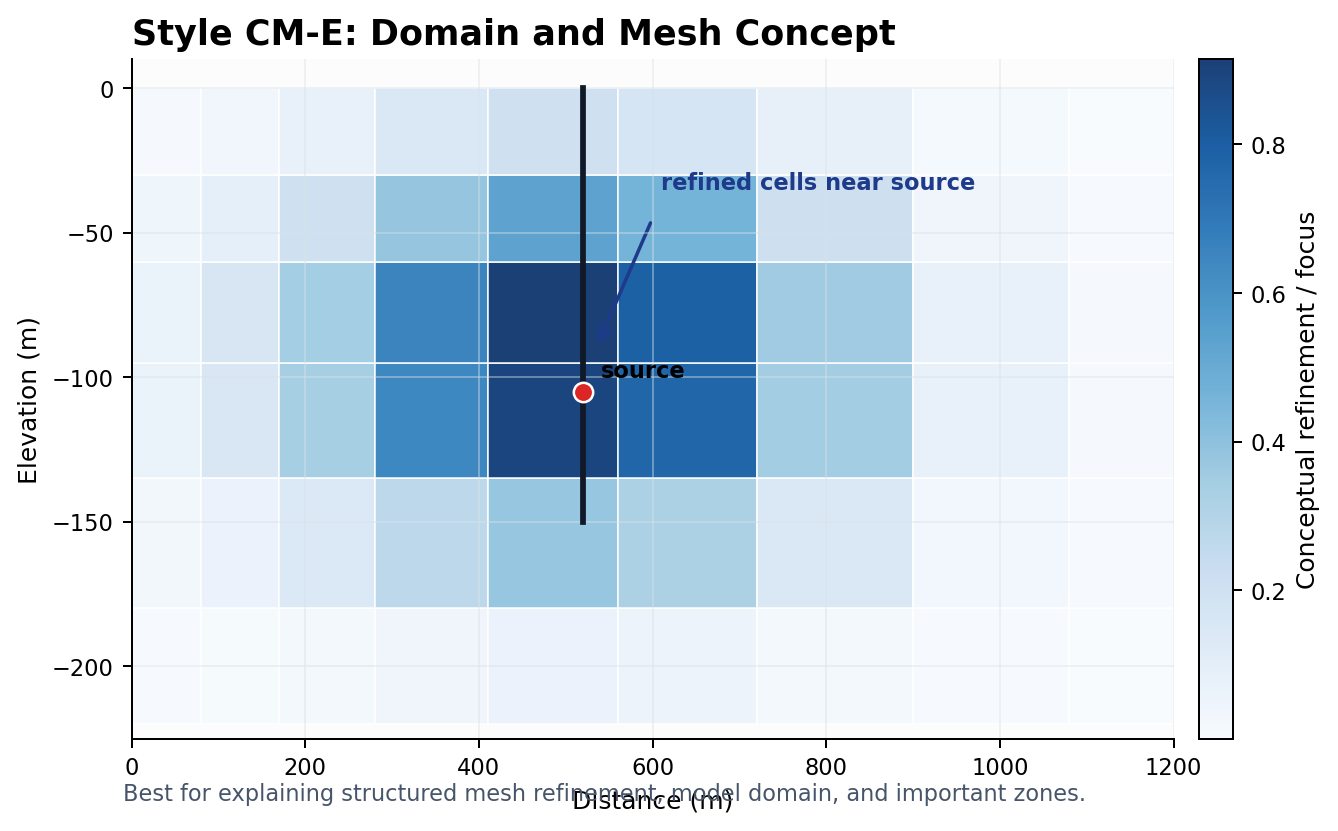
The Agent creates a structured model specification before changing files. Geometry, physics, properties, initial and boundary conditions, sources, schedules, solver controls, and requested outputs are traced to their origin.
Model specification
Read reports, notes, existing MESH/INCON files, input cards, and requirements. Record missing data and clearly labeled engineering assumptions.
Mesh generation and conversion
Create structured grids with MeshMaker or convert supported external grids through TOUGHIO. Preserve element labels when restart states depend on them.
Geometry and mapping checks
Verify counts, extents, volumes, materials, large-volume boundary blocks, wells, sources, observations, and gravity orientation.
Fixed-format validation
Audit column-sensitive cards and cross-check MESH, INCON, GENER, solver, time, and output controls before execution.
Execution + diagnostics + compilation
Run in stages, diagnose before replacing the model.
Automation monitors numerical progress and preserves partial results, but it does not treat a slow or failed run as a reason to silently substitute a different model.
Automated simulation
Prepare → initialize → simulate → validate → report
Natural-state or steady-state initialization can generate restart conditions before the main operational run. Inputs, outputs, changes, and limitations remain traceable.
Diagnostics
Observe → isolate → correct → compare → explain
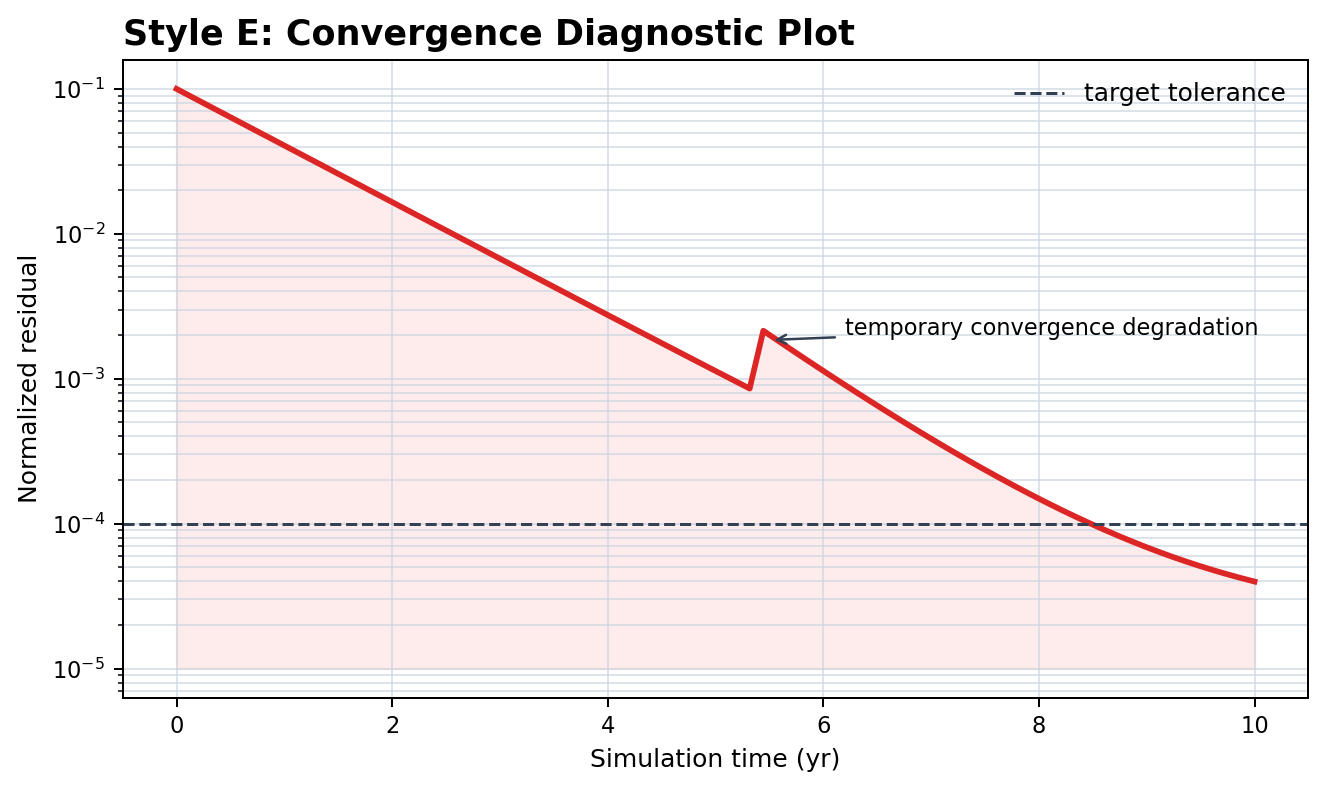
The Agent checks mesh geometry, boundaries, restart consistency, sources, fixed-format cards, solver controls, timesteps, convergence, and physical ranges.
Code compilation
Detect → configure → build → smoke-test → package
The workflow records source version, platform, dependencies, compiler options, MPI configuration, logs, tests, and deliverables for supported integrations.
Evidence-driven recovery
Minimal corrections first.
- Confirm requested geometry and boundary concepts remain intact.
- Check MESH/CONNE fields, initial states, source locations, and EOS ranges.
- Adjust numerical controls before changing valid physical inputs.
- Rerun and compare against the failed or partial attempt.
- Preserve partial outputs and document every material change.
Post-processing + communication
Results become evidence, not decoration.
Outputs are screened for completeness, physical range, meaningful variation, convergence behavior, and data provenance before they enter figures, tables, or an engineering report.
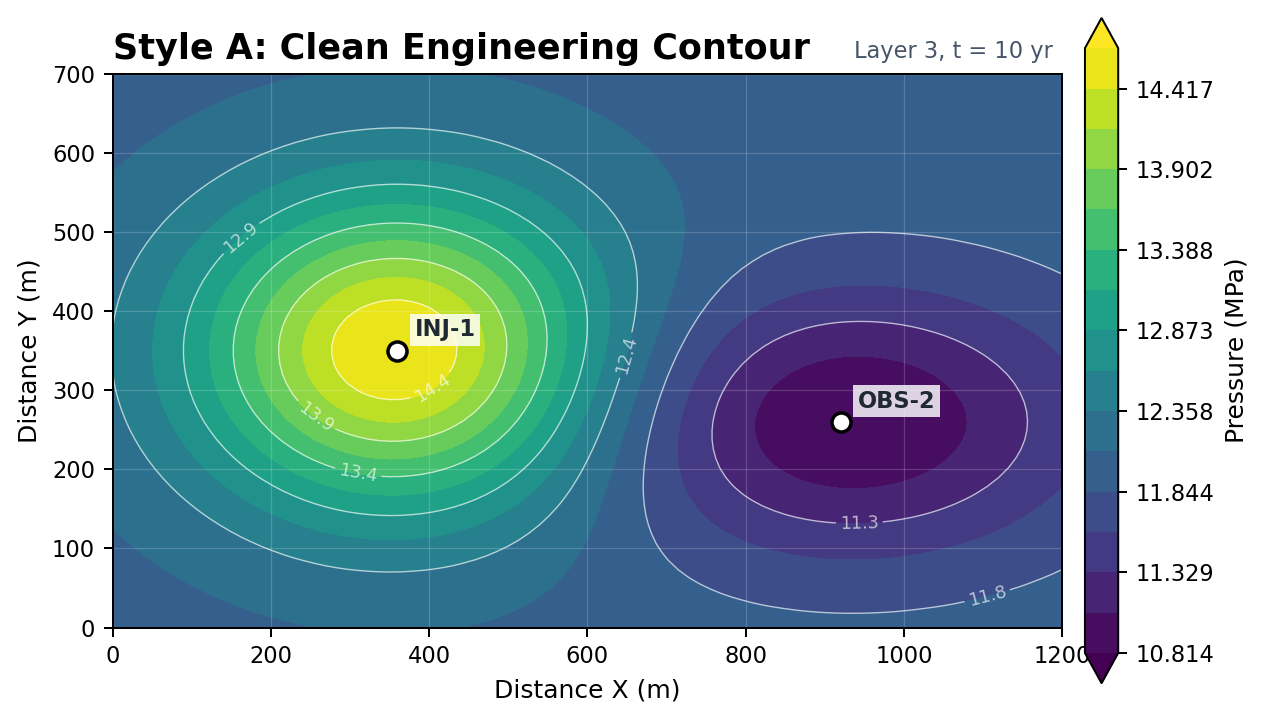
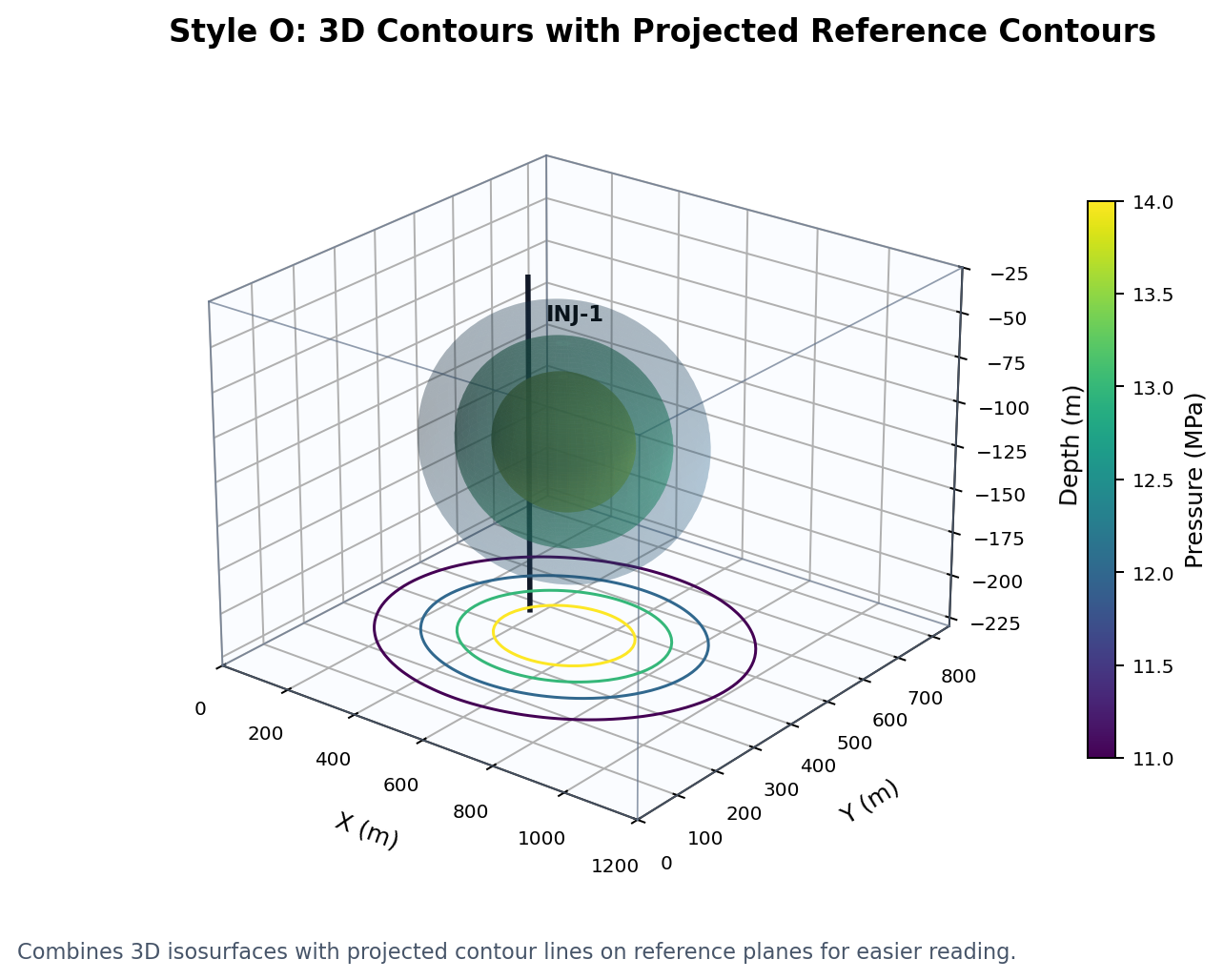
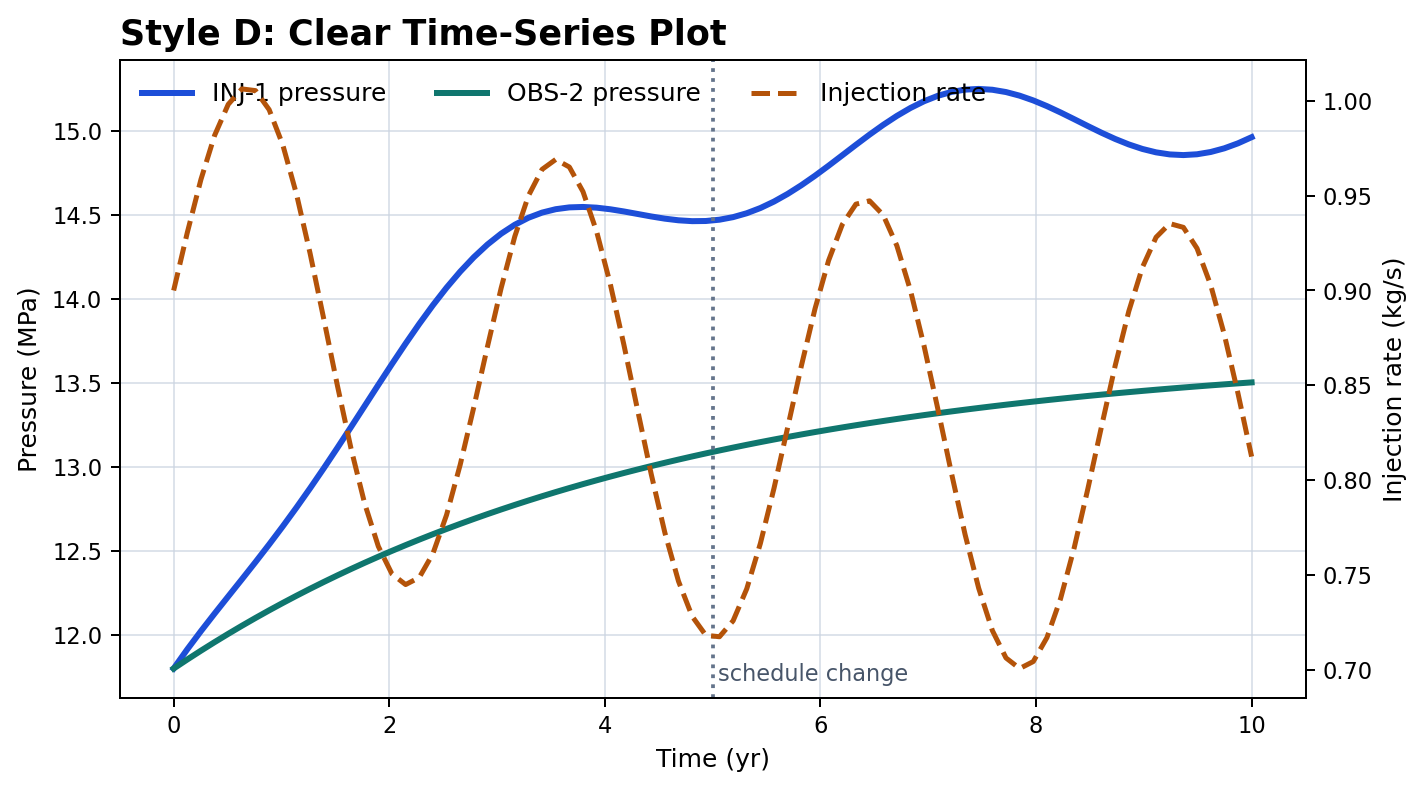
Simulation output→TOUGHIO export→Data audit→2D / 3D figures→Engineering report